
Motorized Valve Guide: Benefits, Types and Installation Tips
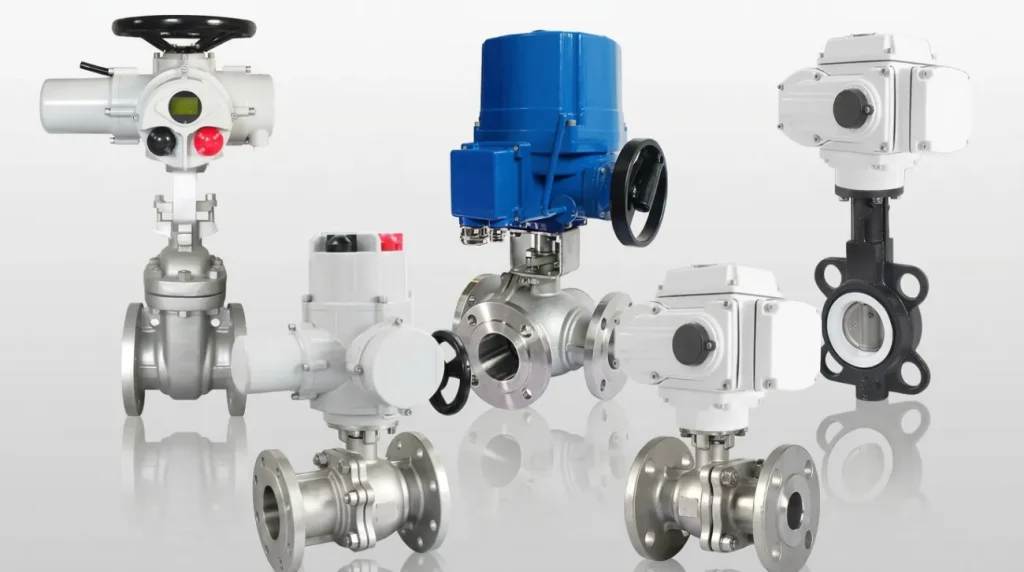
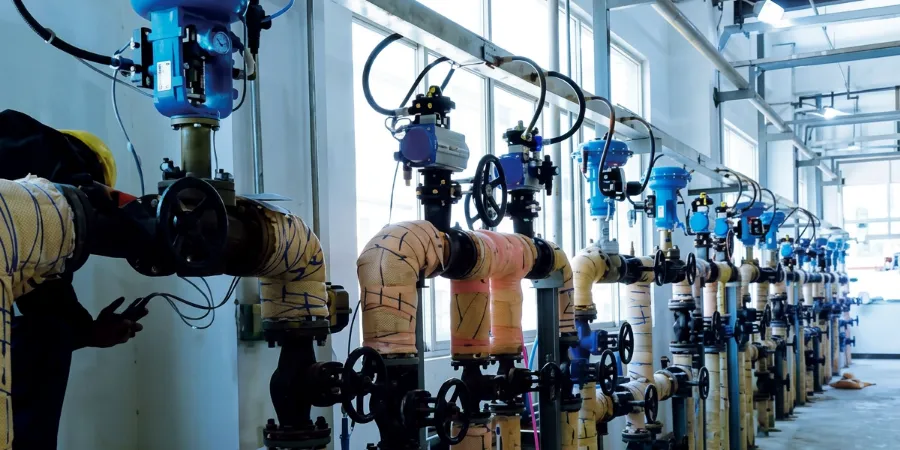
If you manage HVAC systems, industrial pipelines or smart building automation, you know how crucial motorized valves are for precise and reliable flow control. These electric-powered valves replace manual operation with remote, automated precision – cutting downtime and boosting efficiency. In this guide you will learn what a motorized valve does, why it outperforms traditional valves, and how DELCO solutions can support your operations.
What Is a Motorized Valve? Core Components and How It Works
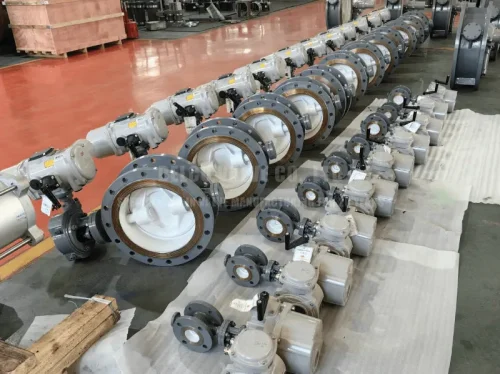
A motorized valve is a key component in fluid flow automation, designed to control the opening and closing of a valve using an electric actuator. At its core, it combines a valve body – such as a ball, butterfly or gate valve – with a motor-driven actuator that receives control signals to adjust flow precisely.
Here is a breakdown of the main components:
- Valve body – the part that holds and directs the fluid. The type (ball, globe, butterfly, etc.) depends on the application.
- Actuator motor – typically an electric motor that converts electrical signals into mechanical motion.
- Control signals – commands, usually from a PLC or building automation system, telling the actuator when and how much to open or close the valve.
- Power supply – often 24 V AC/DC, powering the motor and control electronics.
Motorized valves use electric actuation instead of pneumatic systems for several reasons:
- Precision: electric actuators provide exact torque control and positioning, allowing fine adjustments.
- Reliability: unlike solenoid valves, which operate only in on/off mode, motorized valves offer modulating control that reduces wear and energy waste.
- Ease of integration: electric valves connect easily to smart controllers and IoT systems without compressed-air infrastructure.
How a Motorized Valve Works, Step by Step
- Signal receiptThe valve receives an electrical control signal specifying the desired position.
- Motor activationThe actuator motor starts turning, generating torque.
- Torque transmissionThrough gears or a screw mechanism, the motor’s rotation moves the valve stem.
- Valve positioningThe valve body adjusts – rotating or sliding – to open or close the flow path.
- Position feedbackMany valves send a signal back to the controller confirming the position.
- Operation completeThe motor stops when the valve reaches the target position or when torque limits are met.
Why Electric Actuation Outperforms Solenoids
Electric motorized valves stand out when precision and control are critical. Solenoid valves act like switches, snapping open or closed instantly with no fine control – which can lead to water hammer, excessive wear or energy loss.
Electric actuators deliver smooth, proportional movement with consistent torque, making them ideal for:
- HVAC zone control for even temperature regulation
- Industrial processes where accurate flow rates are crucial
- Applications needing remote or automated adjustment without manual intervention
With their blend of accuracy, reliability and easy integration, electric motorized valves represent the forefront of modern flow control.
Types of Motorized Valves: Choosing the Right Fit
Picking the right type of motorized valve depends on what your system needs. Here is a quick guide to help you decide.
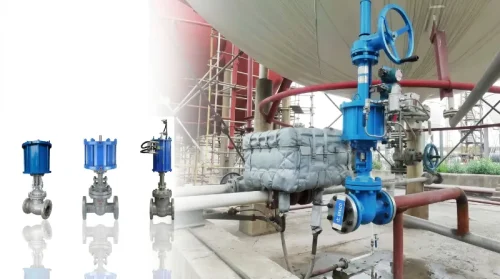
-

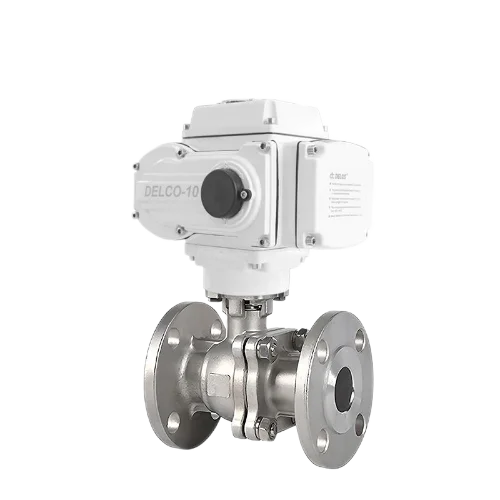
Ball valve
-
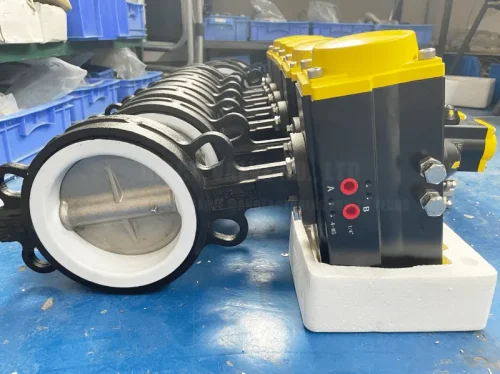
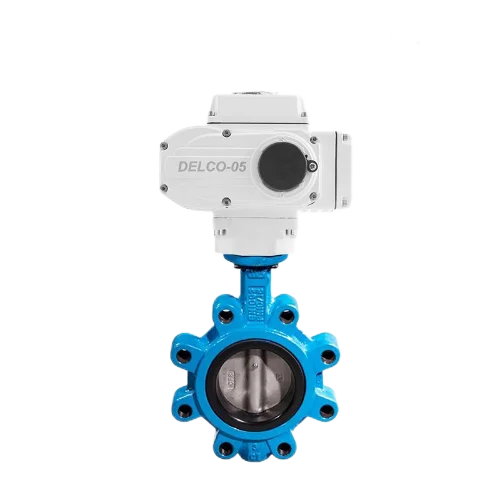
Butterfly valve
-
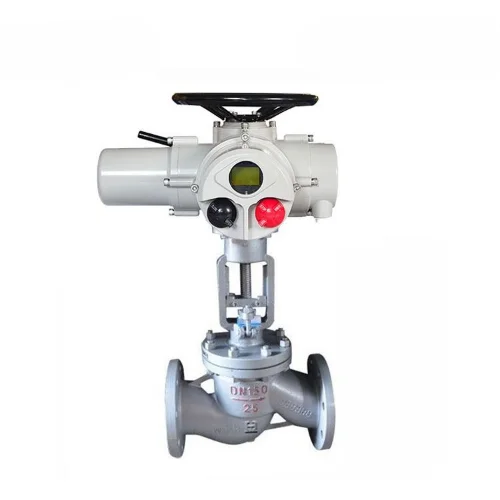
Globe valve
-
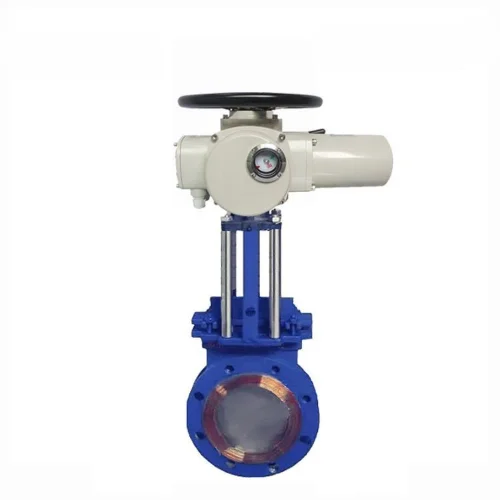
Gate valve
Ball Valves
High-flow, quarter-turn valves perfect for on/off control. They work well in water systems where you need reliable, fast shut-off.
Butterfly and Globe Valves
Ideal for modulating flow, these valves shine in HVAC setups where precise pressure regulation matters. Butterfly valves are lightweight, while globe valves handle more complex flow adjustments.
Gate and Plug Valves
These multi-turn valves are built tough for industrial pipelines, especially when handling slurries or thick fluids that need steady, controlled flow.
DELCO Spotlight: Customizable Stainless Steel Options
For corrosive environments, DELCO offers stainless steel motorized valves that resist rust and wear, extending service life in demanding applications.
Decision Matrix
| Valve type | Torque (Nm) | Sizes (DN) | Media compatibility | Best for |
|---|---|---|---|---|
| Ball valve | 10 – 50 | DN15 – DN80 | Water, clean fluids | High-flow on/off control |
| Butterfly valve | 15 – 60 | DN25 – DN80 | Air, steam, water | HVAC modulating pressure control |
| Globe valve | 20 – 70 | DN15 – DN65 | Liquids, steam | Fine flow regulation |
| Gate valve | 30 – 80 | On request | Slurries, thick fluids | Industrial pipelines |
| Plug valve | 25 – 75 | DN20 – DN80 | Corrosive fluids | Tough multi-turn applications |
Choosing the right motorized valve means matching torque, size and media compatibility to your application. DELCO’s range covers everything from residential water systems to heavy industrial needs.
Maintenance and Troubleshooting: Keeping Your System Running Smoothly
Keeping your motorized valve in top shape doesn’t have to be complicated. Regular maintenance is the key to avoiding downtime and costly repairs.
Routine Checks to Stay Ahead
- Test the torque switch regularly to make sure the valve operates within safe limits.
- Stick to a lubrication schedule to keep the actuator motor and moving parts running smoothly.
- Inspect wiring and connections for wear or loose contacts.
Common Issues and Quick Fixes
- Overheating motors – often caused by improper voltage or continuous operation: check the power supply and allow cooling periods.
- Signal failures – can result from damaged cables or interference: verify the control wiring and replace damaged parts quickly.
Longevity with DELCO Designs
DELCO motorized valves come with self-locking actuators built to withstand ambient temperatures from –20 °C to +60 °C. This reduces wear and extends valve life in harsh environments, through cold winters and hot summers alike.
By following these tips and using reliable DELCO valves, you keep your fluid flow automation steady and your system efficient. Need help choosing? Ask our engineers for a selection and quotation.